YORUK KOYU (NOMADS VILLAGE)
Located within the boundaries of Bulak Village in Karabük, and also bordering the Safranbolu district, the Bulak (Mencilis) Cave has its entrance on steep cliffs and has a total length of 6.5 kilometers. 2.5 kilometers of the cave have been mapped, but only 380 meters are open to visitors. Containing underground rivers, ponds, waterfalls, and fascinating stalactite, stalagmite, and curtain formations, the cave is also registered as a "Natural Heritage Site".
HIDIRLIK HILL
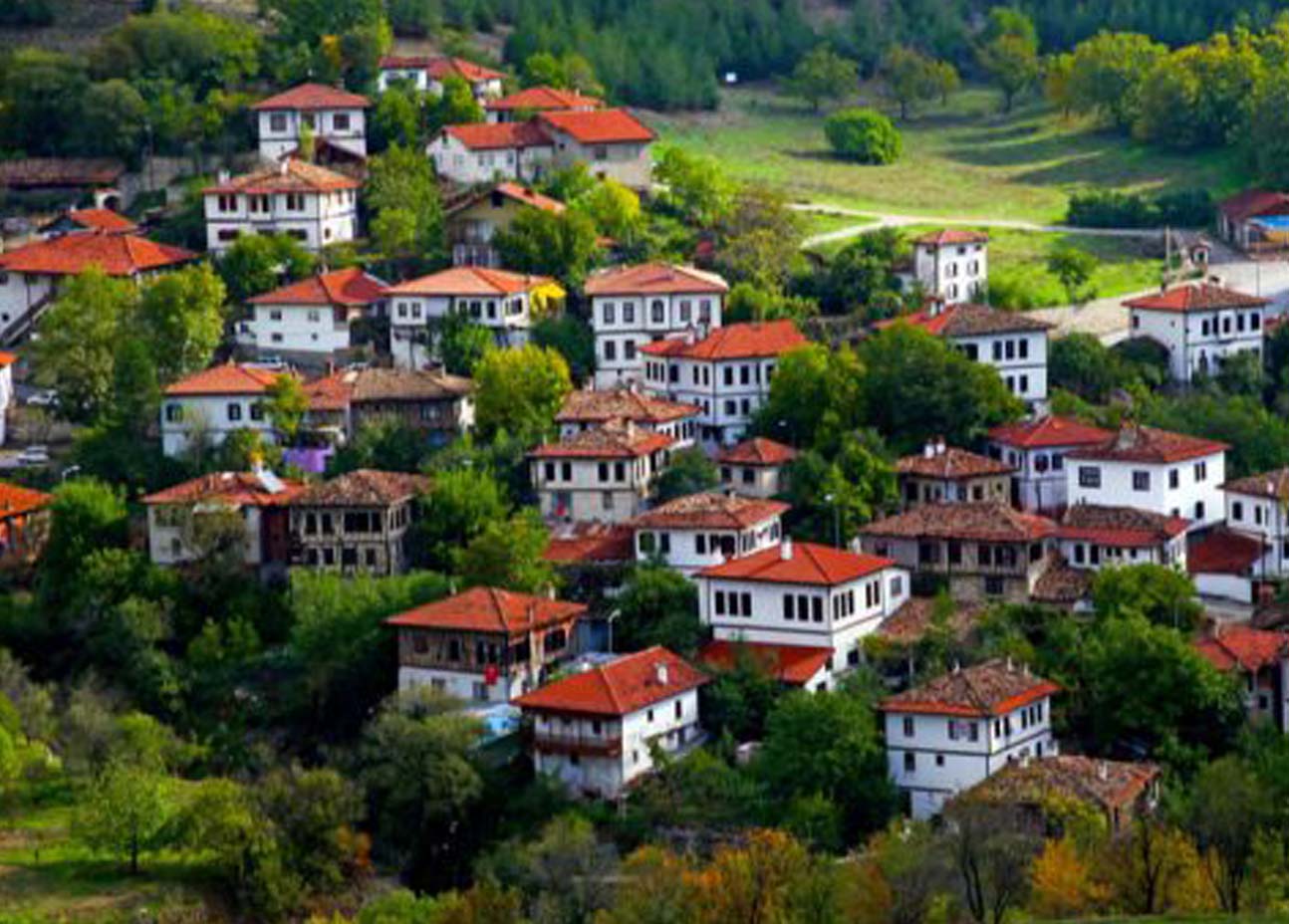
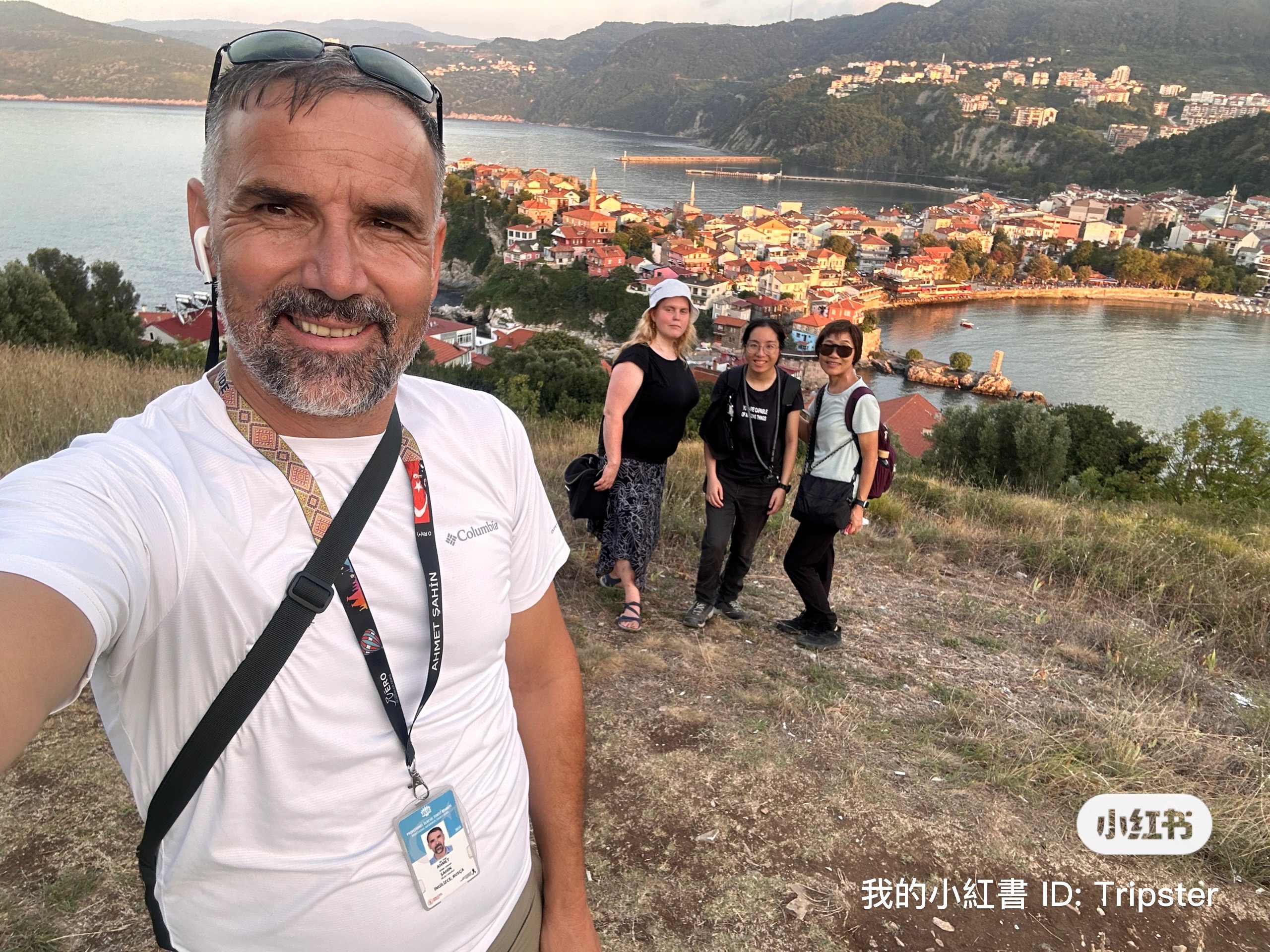
Hıdırlık Hill, offering the most beautiful view of Safranbolu, provides the best angle to both understand the city's history and to see Safranbolu and its unique houses from a bird's-eye perspective.
KAYMAKAMLAR EVİ
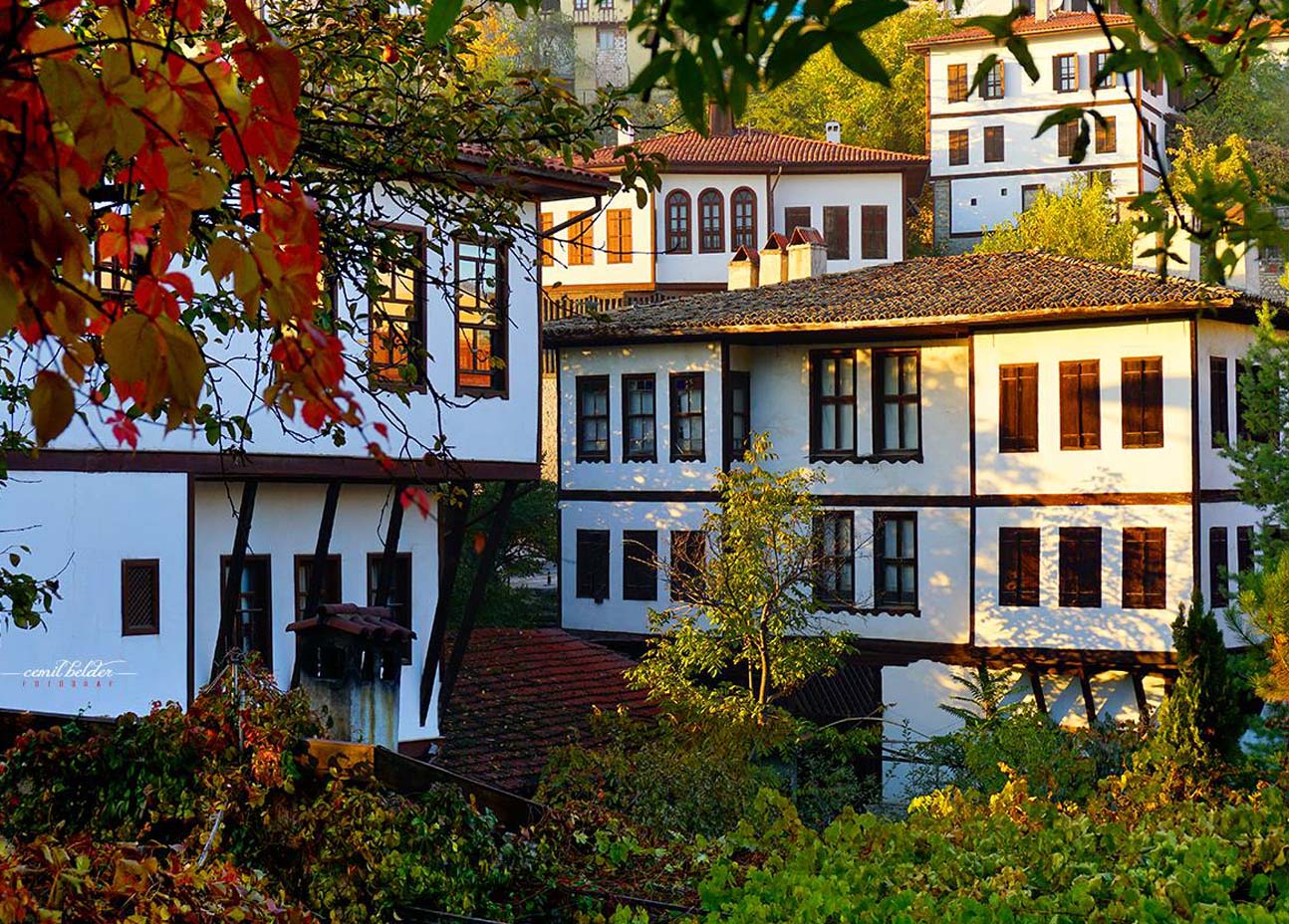
Located on Hıdırlık Yokuşu Street, the Kaymakamlar Museum House was expropriated and restored in 1979 as part of the Safranbolu preservation and promotion project supported by the Ministry of Culture. Currently open to tourists, the house is owned by the Ministry of Culture and Tourism. The Kaymakamlar Museum House is a cultural heritage site reflecting the culture and lifestyle of 18th and 19th-century Turkish society; its structure, facade, and plan make it a unique example of an authentic Turkish house. Believed to have been built at the beginning of the 19th century, the house belonged to Hacı Mehmet Efendi, the commander of the Safranbolu barracks. Because Hacı Mehmet Efendi was known as "Kaim-Makam," the equivalent of a lieutenant colonel, the house became known by this name among the locals.
AMASRA
KUŞKAYASI ROAD MONUMENT
Located 4 km from Amasra, the monument was built between 41 and 54 AD by Gaius Julius Aguilla, who was the governor of Pontus and Bithynia at the time, in honor of Roman Emperor Tiberius Germanicus Claudius. Carved into limestone rocks by legionaries, this monument is known to be unique in Anatolia. It consists of a headless statue of a human figure carved into the rock, a Roman eagle symbolizing sovereignty, and two inscriptions. The inscriptions read: "In the name of interstate peace and friendship, and in memory of the reign of Emperor Germanicus, Gaius Julius Aguilla split the mountain and built this resting place with his own private funds."
BAKACAK VIEW POINT
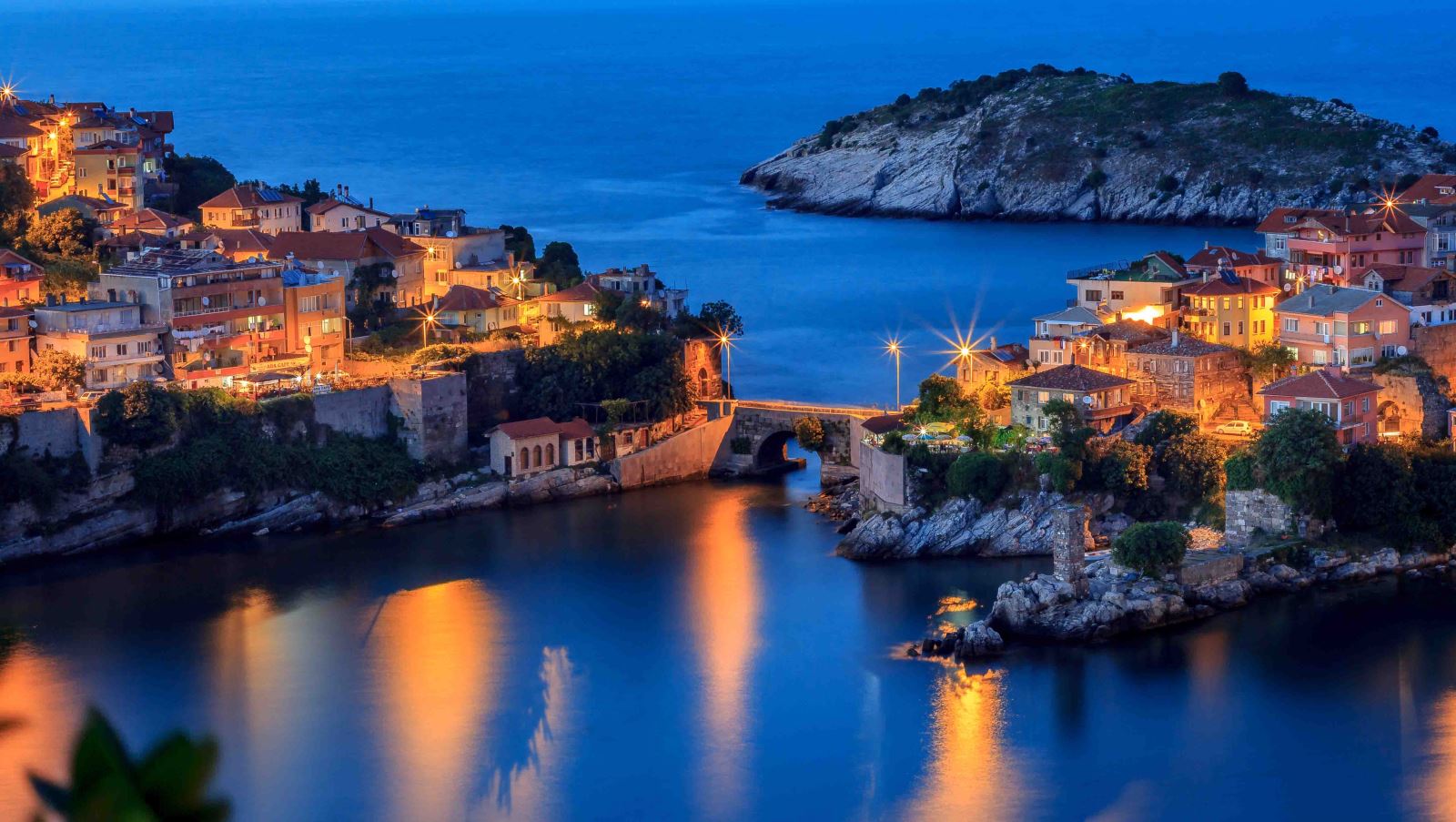
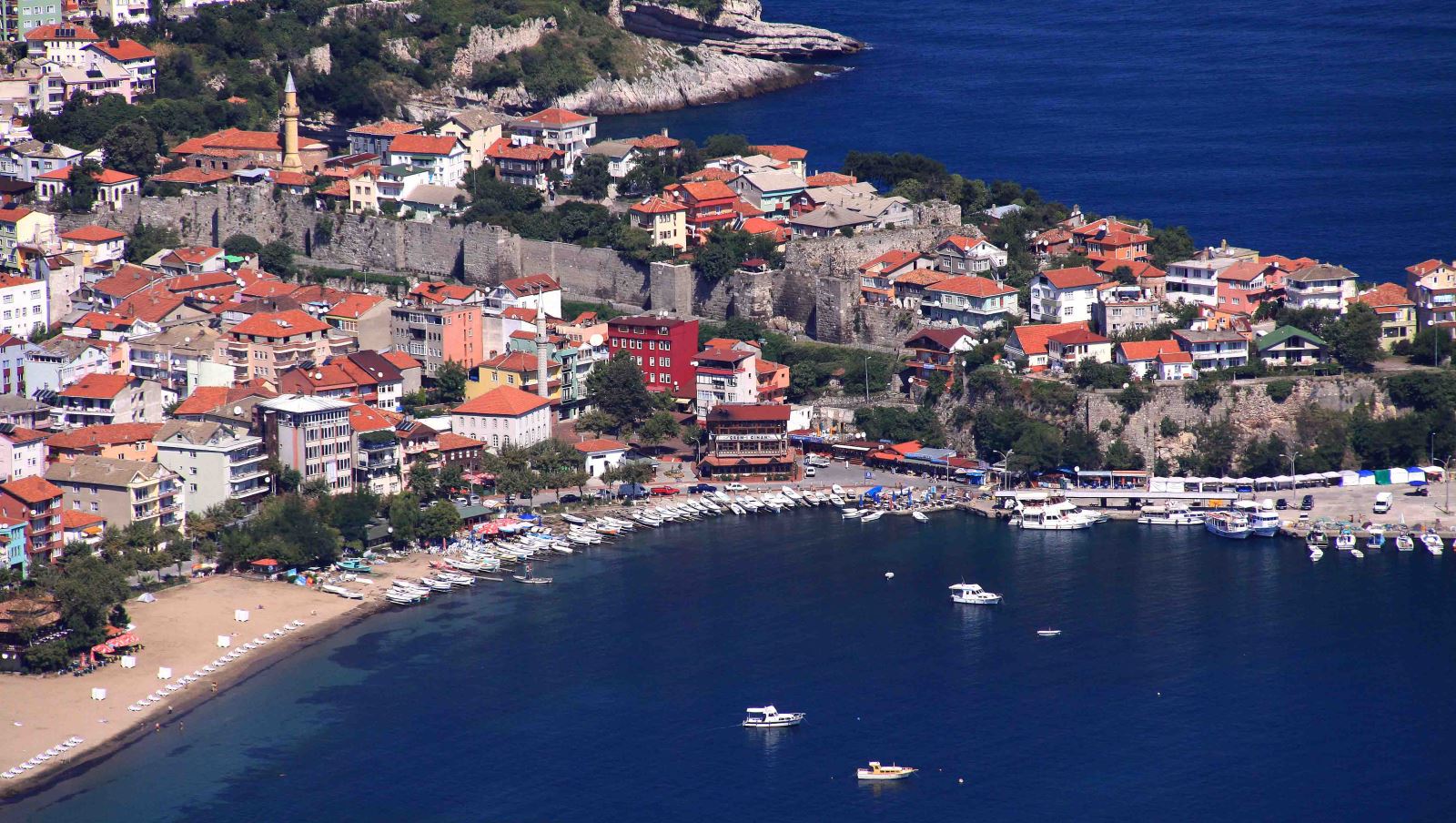
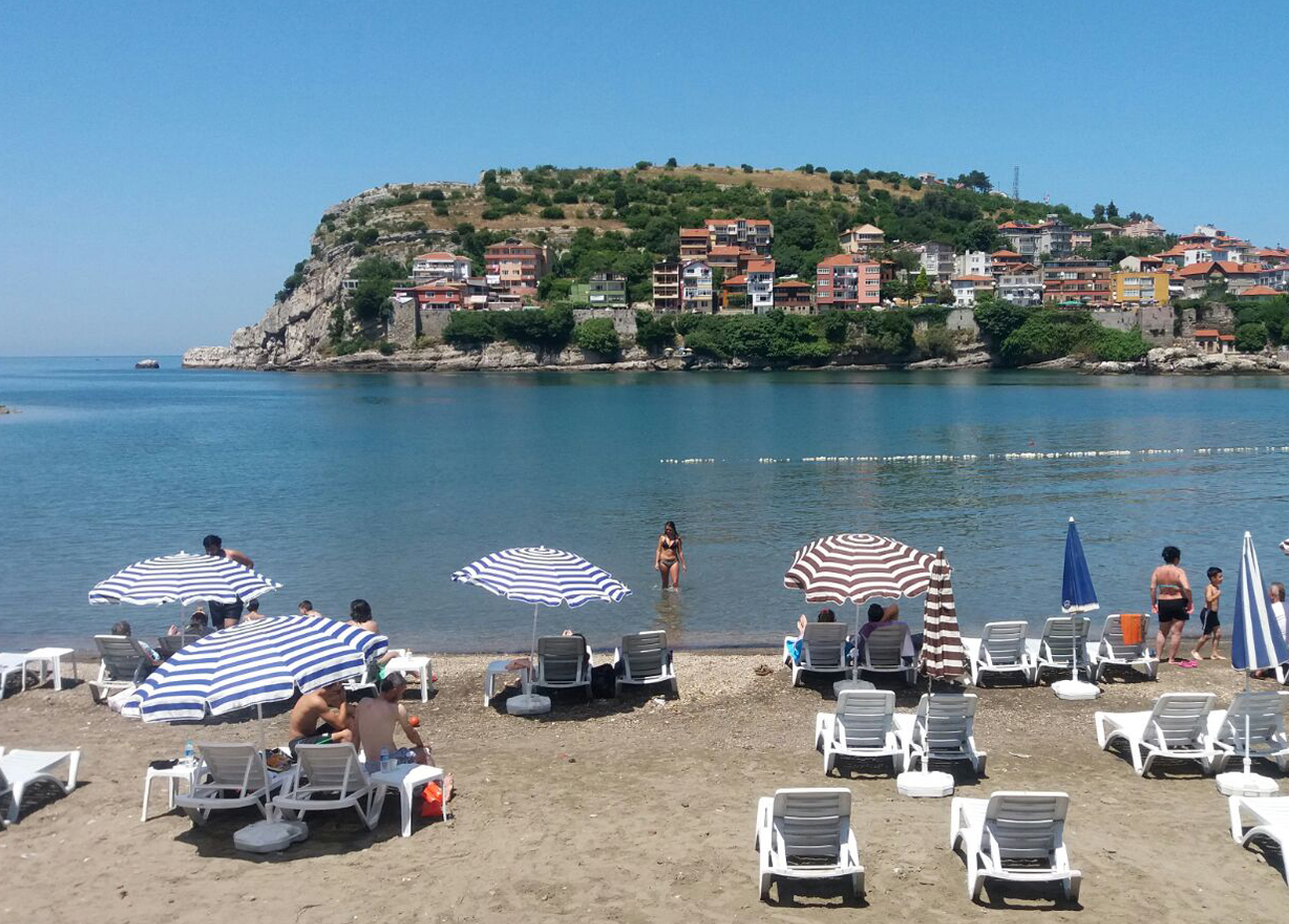
This roadside rest stop offers magnificent views of Amasra district, the harbors, and Rabbit Island.
AMASRA MUSEUM
Amasra Museum
The Amasra Museum building is a registered historical structure. Construction began in 1884 as a Maritime School, but it was never completed. It was purchased by the Ministry of Culture in 1976, restored, and opened as a museum in 1982. The frequent discovery of movable artifacts in and around Amasra, an ancient settlement, led to the idea of establishing a museum. Archaeological and ethnographic artifacts collected from 1955 onwards were initially displayed in the Municipality building, and from 1982 onwards, they were exhibited in the current museum building. The Amasra Museum consists of four exhibition halls.
In Hall No. 1 (Archaeological Artifacts Hall), there are terracotta and glass perfume bottles, gold and bronze ornaments, amphoras and jugs, bronze figurines, bracelets, crosses, weapons, lamps and vessels from the Hellenistic, Roman, Byzantine, and Ottoman periods, as well as gold and bronze coins from these periods.
In Hall No. 2 (Sculpture Hall), there are... The museum displays sculptures from the Roman Imperial period, most notably the armored torso of Emperor Hadrian, a unique piece for Turkish museums.
In Archaeological Artifacts Hall No. 3, marble artifacts, sculptures, sculpture heads, tomb steles, altars, column capitals, and pedestals from the Hellenistic, Roman, Byzantine, and Genoese periods are exhibited.
In Ethnographic Artifacts Hall No. 4, clothing reflecting the regional tastes of the Ottoman period, silver ornaments, bed and pillow covers, carpets, pouches, old wall clocks, and copies of the Quran are displayed.
AMASRA CASSTLE
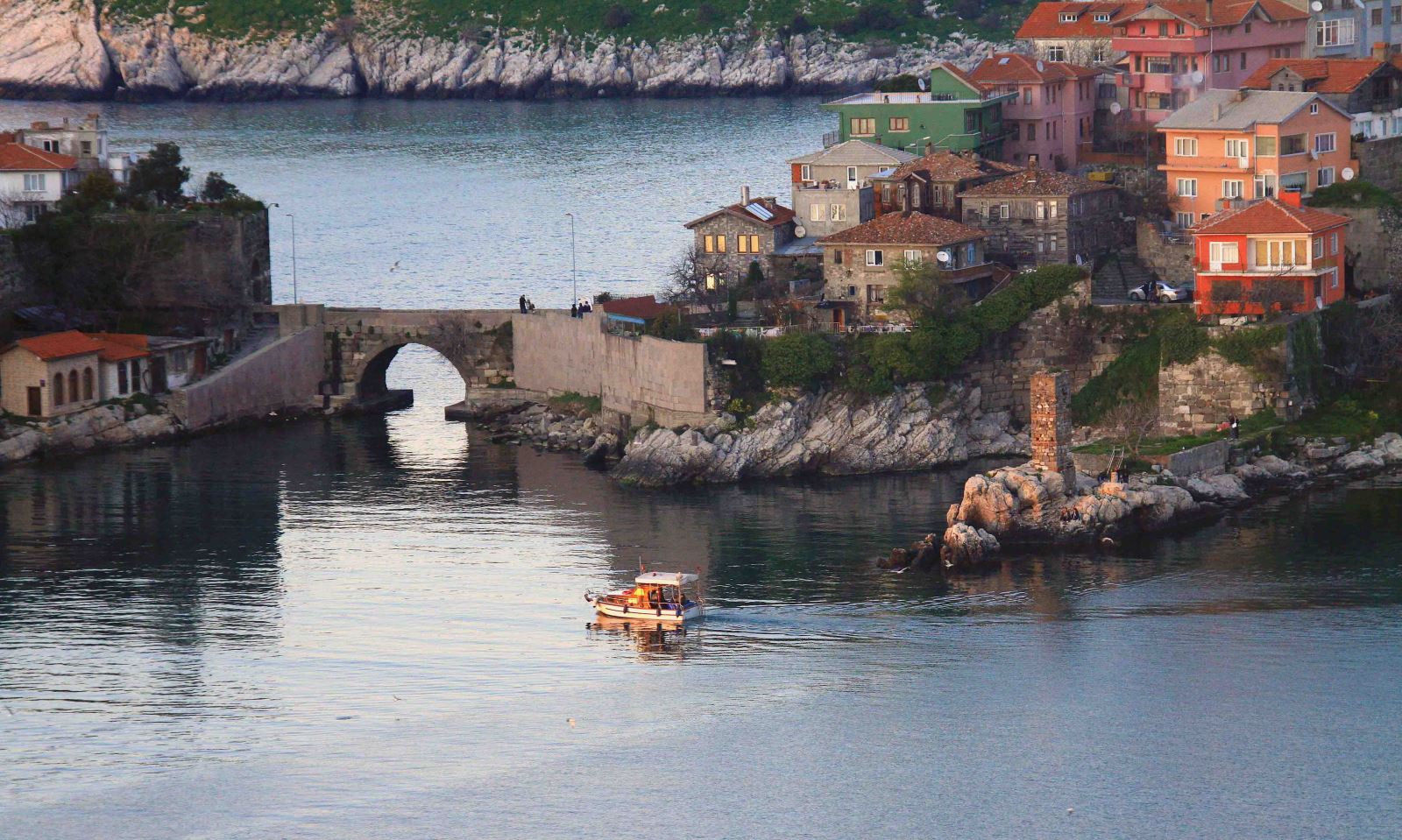
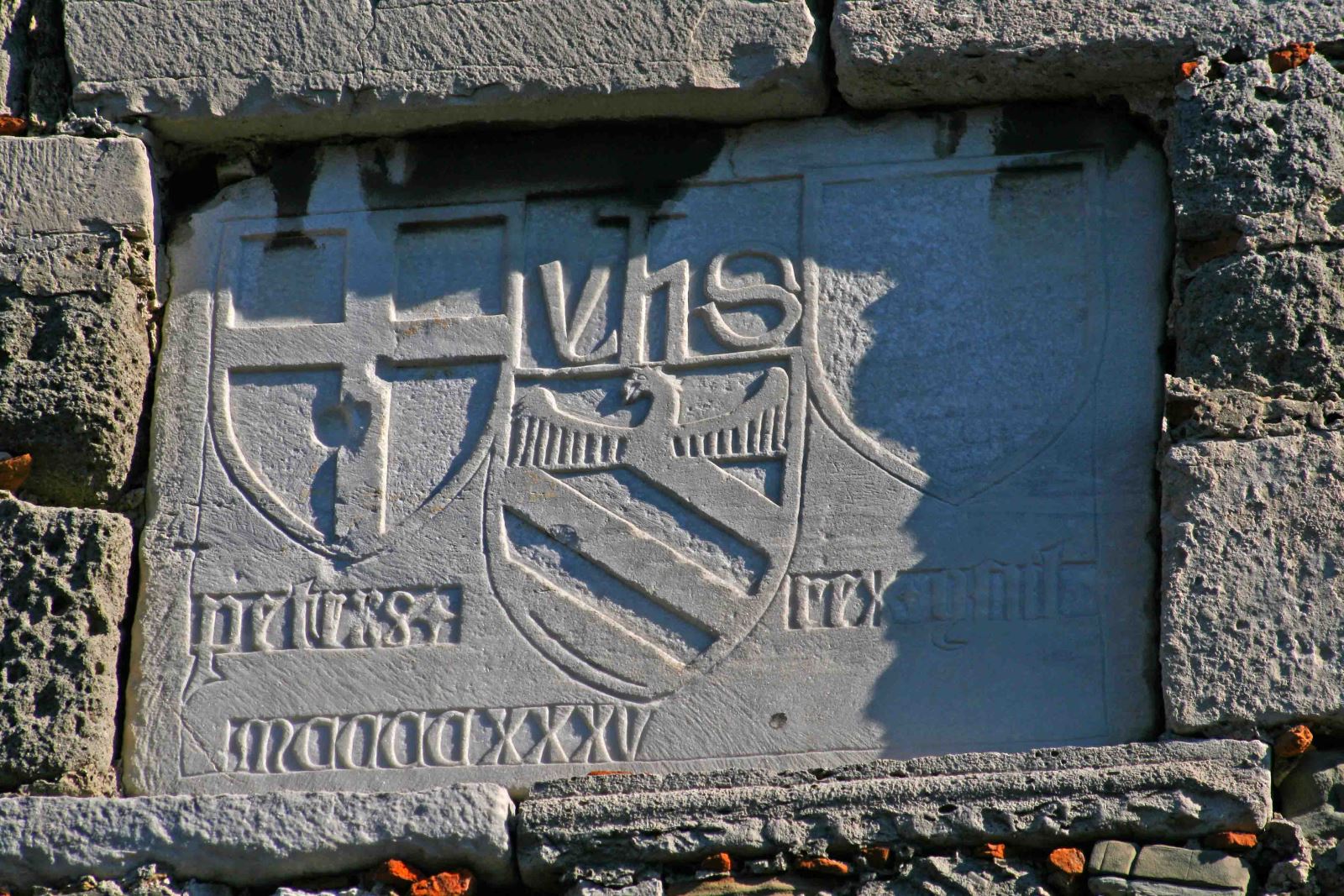
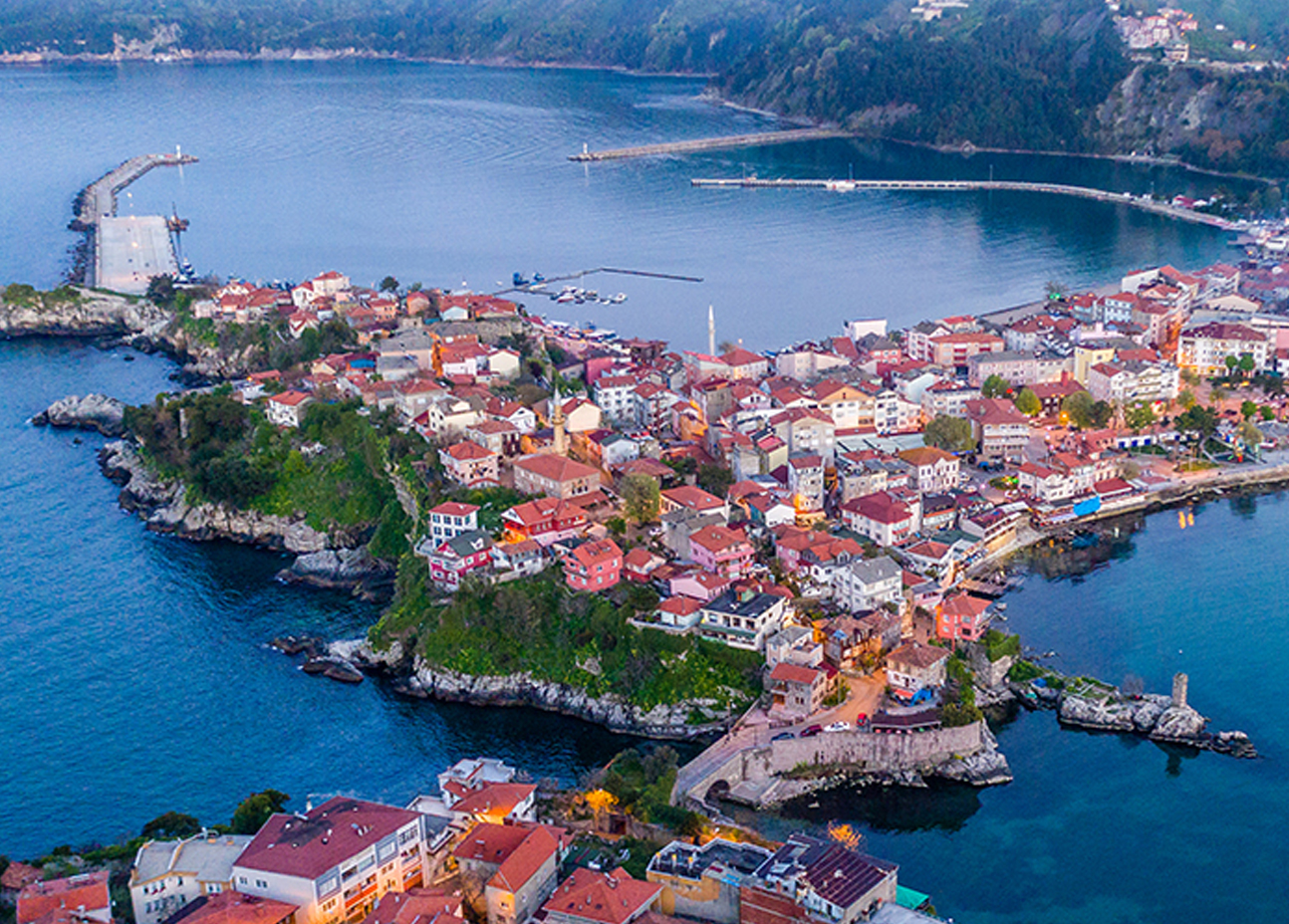
Amasra Castle, consisting of two main sections, is connected by a bridge called the Boztepe Arch. One of the two main sections is Sormagir Castle, located on Boztepe, and the other is Zindan Castle. Used during the Genoese period, Amasra Castle underwent significant repairs in the 14th and 15th centuries. The length of the eastern walls of Amasra Castle, between northeast and southeast, is 65 meters; the length of the southern walls, which have 8 towers, is 300 meters; and the length of the northern walls, largely destroyed from the Kemere Bridge onwards, is approximately 200 meters.
2 ways plane tickets
2 Night Accommodation
2 Days Tour to Sadranbolu and Amasra
Museum Tickets
Lunches