3-Day, 2-Night Safranbolu, Kastamonu, Sinop Tour Departing from Istanbul
SAFRANBOLU: HIDIRLIK PANORAMIC HILL, OLD TOWN, CRYSTAL TERRACE, NOMADIC VILLAGE, GOVERNOR'S HOUSE, CARAVANSERAI
KASTAMONU: CASTLE VIEW / KASTAMONU MUSEUM / NASURULLAH KADI MOSQUE / SERİFE BACI MONUMENT / HAT MUSEUM
SİNOP: SİNOP CASTLE / SİNOP PRISON / GAZİ BATHS / HAMSILOS BAY / ERFELEK WATERFALLS
DAY 1
SAFRANBOLU
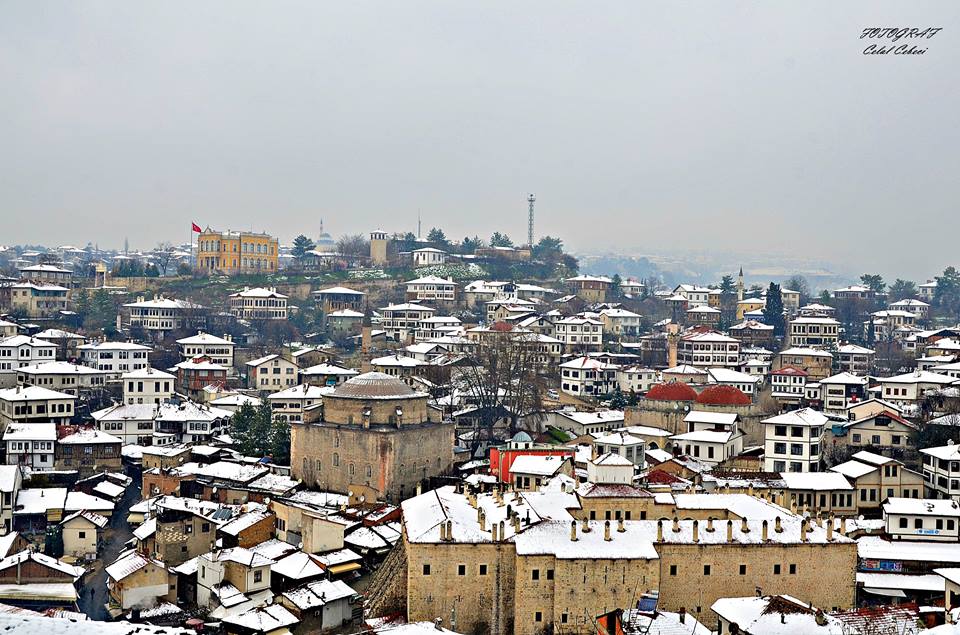
Safranbolu, included on the UNESCO World Heritage List in 1994, stands out with its traditional Ottoman architectural houses. Safranbolu, which has also contributed significantly to the Silk Road through saffron cultivation since the same period, is one of the most important cities where Ottoman culture is still alive, with its Cinci Inn, Cinci Bathhouse, and Tabakhane (Turkish Tabakhane). During our tour, our guide will both refresh your memory of this ancient culture and take you on a profound journey through history.
Safranbolu Hıdırlık Observation Hill: Hıdırlık Observation Hill, a viewing terrace overlooking the city, is one of the most beautiful spots to understand and photograph Safranbolu's unique architecture and texture. From here, you can admire the entire old bazaar and all its historical structures, capturing unforgettable moments.
Old Bazaar: Kaymakamlar Evi, Cinci Inn, İzzet Mehmet Pasha Mosque, Blacksmiths Street, Canyon View, Tabakhane, Arasta Market, Köprülü Mehmet Pasha Mosque, Cinci Bathhouse, Turkish Delight Museum.
Crystal Terrace: Located at the intersection of the Incekaya Canyon and Tokatlı trucks, it was built in 2004, 140 meters above the canyon floor. It is Turkey's first and the world's second Glass Terrace.
Incekaya Aqueduct: Located within the Tokatlı Canyon, it was commissioned by İzzet Mehmet Pasha, who served as Grand Vizier during the reign of Sultan Selim III, to bring water to Safranbolu. Incorporating the traditional architectural style of the Ottoman period, the aqueduct was completed in 1798 and resolved Safranbolu's water shortage. The 116-meter-long aqueduct rises approximately 60 meters above ground level. Its five arched sections are constructed entirely of stone and Khorasan mortar. The arch was designed with three curves to balance the flow rate of the water passing over it. Water from the aqueduct, passing through a channel, was first distributed to a spirit level and then to fountains throughout the city. This distributed water was popularly known as "paşa suyu" (paşa water).
During the 45 minutes of free time we provide here, those who wish can hike in the Tokatlı Canyon, enjoy a zipline adventure, or enjoy tea and coffee on the Crystal Terrace. Then, we'll head back to our hotel.
DAY 2
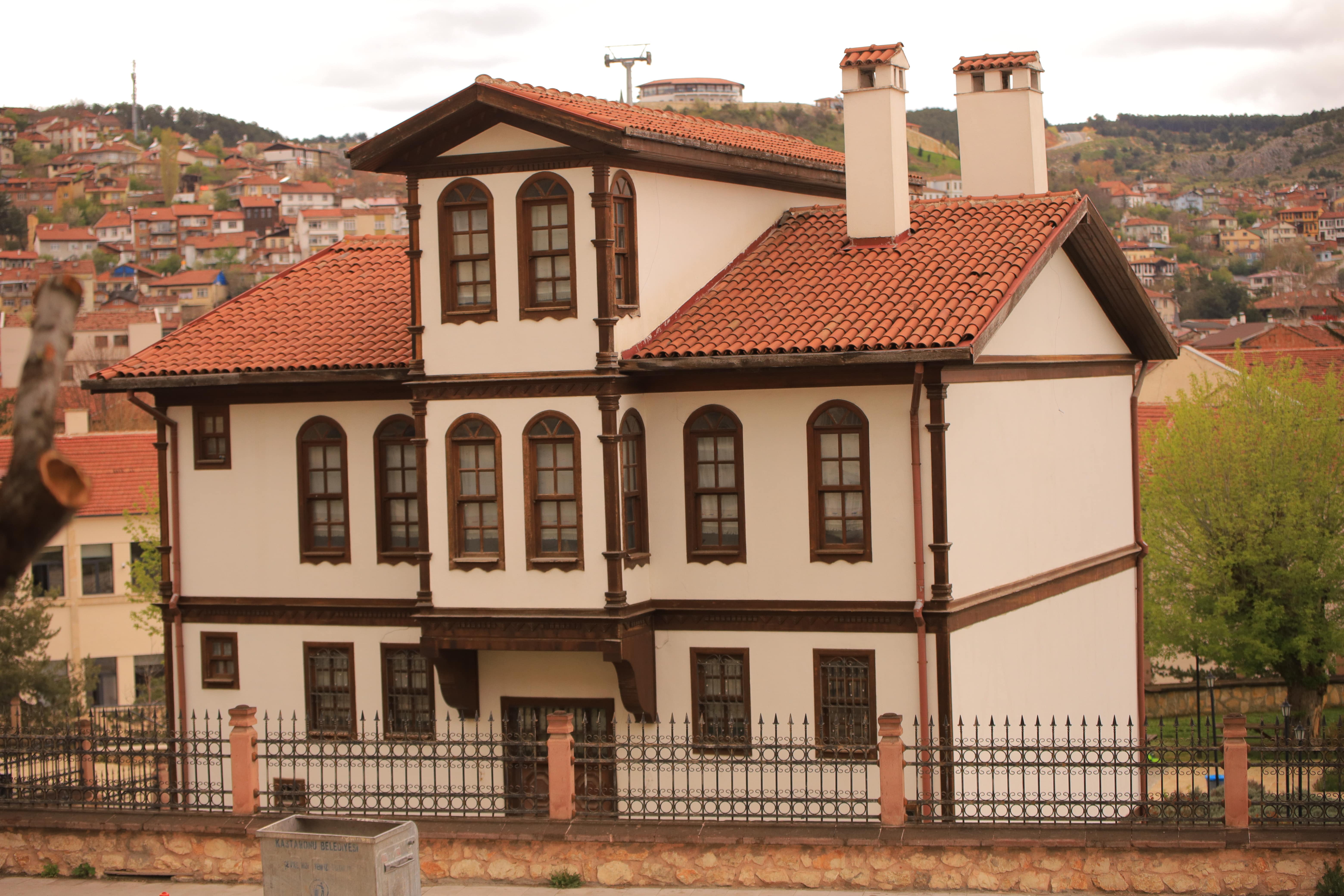
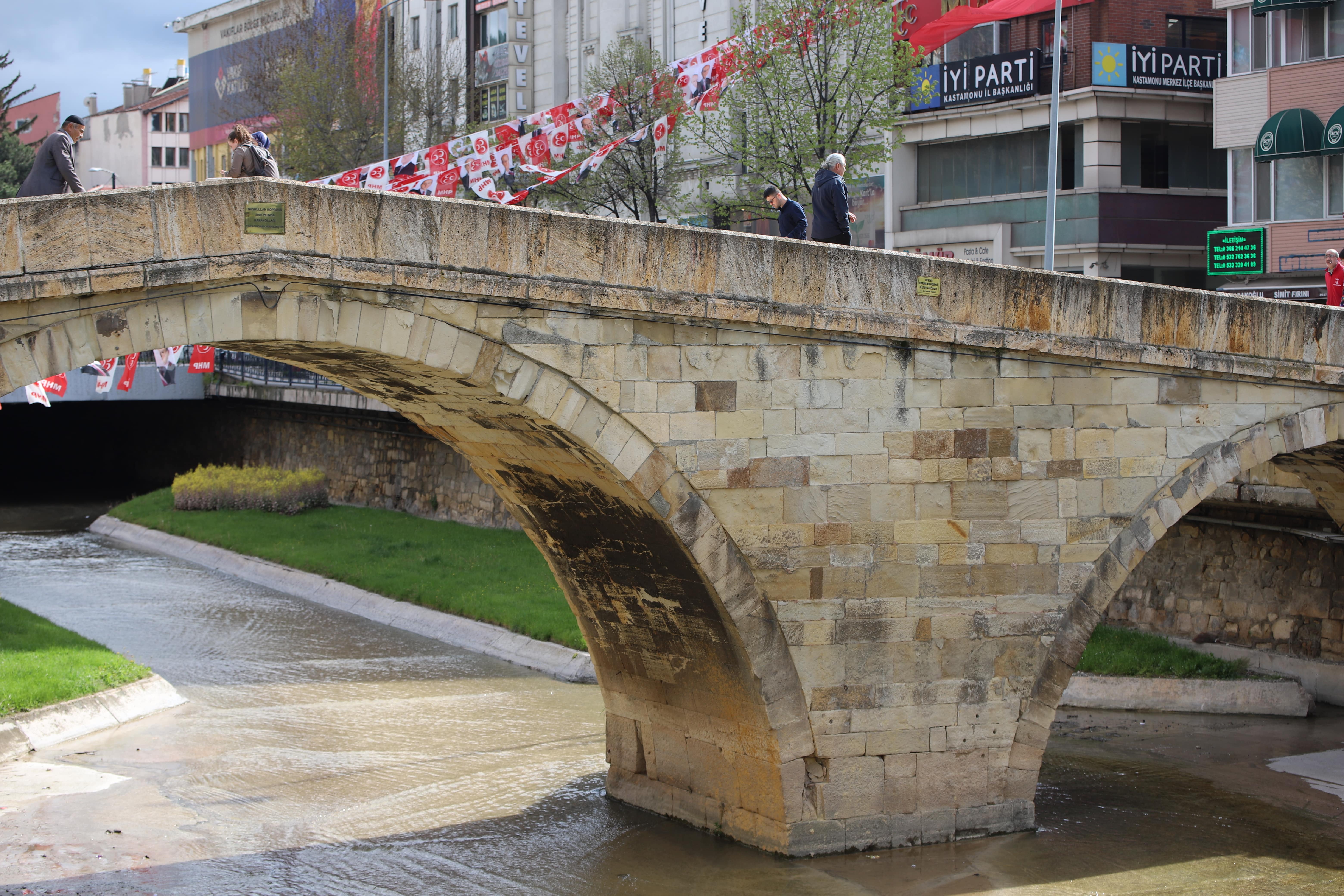
KASTAMONU HISTORY
Kastamonu's known history begins with the Hittite Empire. Following the Hittites, these lands, dominated by the Phrygian and Lydian Kingdoms, fell to the Persians in the 4th century BC. In the 4th century BC, Alexander the Great annexed Kastamonu, along with Anatolia, to Macedonia. The Pontus Kingdom, which conquered the region after Alexander, was abolished by the Romans in the 1st century BC. Kastamonu, which remained within the Roman Empire for many years, was annexed, along with the rest of Anatolia, by the Byzantine Empire in 395 AD, when the empire was divided.
Kastamonu first fell into Turkish hands in 1105, during the reign of Gümüş Tekin, son of Ahmet Gazi, during the Danishmend period. The city and its surroundings, which remained under Danishmend rule for nearly a century, were returned to the Byzantines for 15 years. In 1213, they were captured by the Seljuk Commander Hüsamettin Çobanbey, on the orders of the Anatolian Seljuk Sultan Alaaddin Keykubat. Kastamonu first fell into Turkish hands in 1105, during the reign of Gümüş Tekin, son of Ahmet Gazi, during the Danishmend period. The city and its surroundings, which remained under Danishmend rule for nearly a century, were returned to the Byzantines for 15 years. In 1213, they were captured by the Seljuk Commander Hüsamettin Çobanbey, on the orders of the Anatolian Seljuk Sultan Alaaddin Keykubat.
KASTAMNONU ARCHAEOLOGICAL MUSEUM
Located in Kastamonu's city center, the museum building was designed by architect Kemaleddin Bey and built in 1917 as the Committee of Union and Progress. The building, which served as the Independence Court in 1921, also served as the headquarters for the Turkish Hearth, the People's Party, and the Kastamonu Youth Organization until 1945.
On August 30, 1925, Mustafa Kemal Atatürk delivered his second speech here, following his speech at İnebolu, concerning the hat and clothing reform. From 1945 to 1952, it served as a repository for archaeological artifacts, and in 1952, it became a regional museum. The museum, which sheds light on the region's ancient history with numerous artifacts collected from Kastamonu and its surrounding area, houses a wealth of artifacts from various periods. A section of the exhibition is also designated as the Atatürk Hall, displaying various objects and photographs used by Atatürk during his 1925 trip to Kastamonu.
SHERIFE BACI MONUMENT
During the War of Independence, many volunteers, both men and women, supported the national struggle by transporting ammunition and munitions along the Inebolu-Ankara logistics line. Thanks to their support, the fate of the war changed significantly. Şerife Bacı is one of these volunteer heroes. To commemorate her and other volunteer heroes, Prof. Dr. Tankut Öktem erected the Atatürk and Martyr Şerife Bacı Monument, also known as the Kastamonu Turkish Women's Monument, in Cumhuriyet Square in 1990.
NASURULLAH KADI MOSQUE / MÜNİRE MADRASA
Built by Nasrullah Kadi between 912 and 1506. The complex, which includes a mosque, a madrasah, a fountain, and a mausoleum, is owned by the Foundations Administration.
MOSQUE: Built by Nasrullah Kadi between 912 and 1506. It was repaired and expanded by Reis'ül Küttap Hacı Mustafa Efendi between 1159 and 1746. A library and a madrasah were added during this time. The mosque is still open to worship and serves as the central mosque of Kastamonu. During the War of Independence, sermons given by M. Akif Ersoy were distributed to soldiers on the front lines to raise their morale.
MÜNİRE MADRASA: It is part of the Nasrullah Kadı Complex. Built by Reis'ül Küttap Hacı Mustafa Efendi between 1159 and 1746, the madrasah underwent repairs in 1224-1809, 1230-1814, 1259-1843, and 1279-1862. Having served for many years as a Foundations Student Dormitory, the madrasah was subsequently assigned to the Kastamonu Governorate's Provincial Special Administration and began operating as a handicrafts market. The madrasah, whose allocation was revoked in 2005, continues to serve as a handicrafts bazaar. Its construction was completed by Nasurullah Kadı in 1506. The complex, which includes a mosque, madrasah, fountain, and tomb, is owned by the Foundations Administration.
HAT MUSEUM / Türkiye's first and only Hat Museum, featuring hats worn by the great leader Atatürk.
Following the great leader Atatürk's Hat Reform in Kastamonu, Türkiye's first and only Hat Museum, featuring hats worn by men and women from the founding of the Republic to the present day, as well as hats worn by Atatürk himself.
WHO IS SHEIKH ŞABAN-I VELI?
Sheikh Şabanı Veli was born in 1497 in the Cimdar neighborhood of Çakırçayı Village, Gökçeağaç Subdistrict, Taşköprü District, Kastamonu. In the work titled "Sefine-i Evliya," his birth date is listed as 1499. Şabanî Veli lost his father before he was born and his mother when he was three. A charitable woman took Şabanî Veli under her care and helped him complete his education. Şabanî Veli completed part of his education in Taşköprü. He came to Kastamonu to deepen his knowledge of the Quran, hadith, and tafsir. There, he continued his studies, first in the courtyard of the Cemalettin Mosque in the Hisarardı district and then at the Seyid Sunna Mosque. He later went to Istanbul and completed his education at the Istanbul Fatih Madrasahs. During his education, his good morals, dignity, and diligence earned him the favor of his teachers.
SHEIKH ŞABAN-I VELI COMPLEX AND TOMB
The Sheikh Şabanı Veli Complex, located within the mosque, is understood to have been built by Murad III's tutor, Suca Efendi, according to an inscription. The Sheikh Şabanı Veli Complex comprises Dervish Lodges, a mosque, a tomb, a library, Asa Spring, and a fountain.
DAY 3
SİNOP CASTLE / SİNOP PRISON / GAZİ BATHS / HAMSİLOS BAY / ERFELEK WATERFALLS
7:00 AM: We depart from our hotel in Kastamonu at 7:00 AM and, after a 2.5-hour drive, reach the Sinop Erfelek Waterfalls. After one hour of free time, we depart for Sinop. (1 hour).
2:00 PM: We arrive at Sinop Hamsilos Bay and after our visit, we meet back at our vehicles with 30 minutes of free time.
3:00 PM: Depart for Sinop City Center. (20 minutes)
3:30 PM / 6:00 PM: Visit Sinop Prison / Sinop Castle / Free time at the Bazaar.
SINOP
The history of Sinop, occupying the northernmost tip of the Western Black Sea Region, dates back to the Hittites. Although archaeological excavations in the region have not yielded any Hittite findings or documents, it is assumed that this is the city referred to as "Sinuva" in some Hittite sources, which has yet to be found. It is also believed that the city was named after Sinope, the daughter of the water nymph Asapos, mentioned in Greek mythology. The city's name is "Sino" on coins from the Hellenistic period, and is believed to be derived from the word "Sinope."
Although the origins of the city's name are shrouded in doubt, Sinop is undoubtedly one of the most precious cities in the Western Black Sea region. It has maintained its status as a trading and port city without interruption from ancient times to the present day. This city, where modern and historical architecture intertwine, also stands out with its natural beauty and beautiful bays and beaches. Your guide will provide you with valuable historical, architectural, philosophical, and archaeological information.
Transportation
2 nights' accommodation
Dinners
Guidance service
Travel insurance
Lunch
Museum and archaeological site entrance fees
Breakfast on the first day