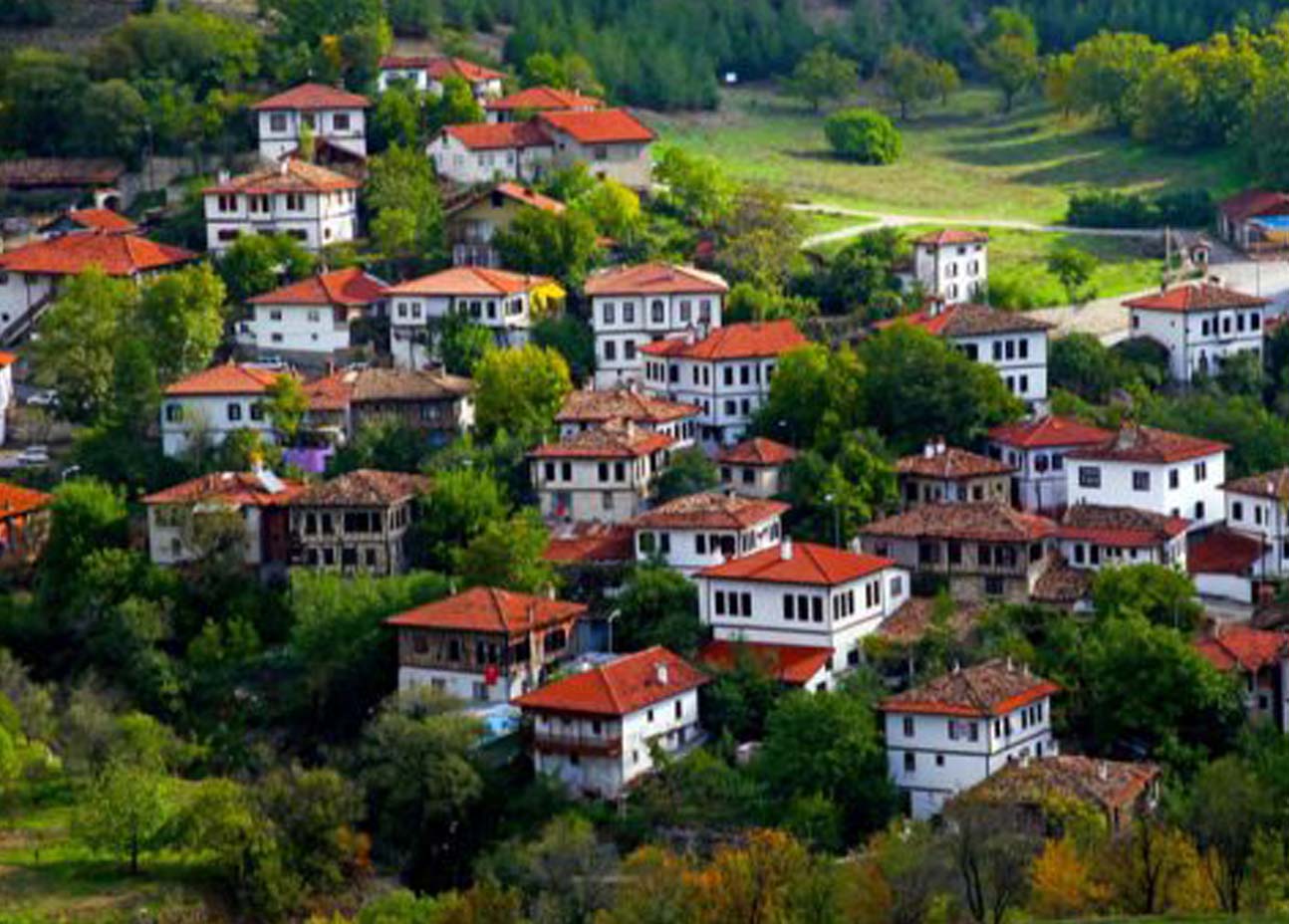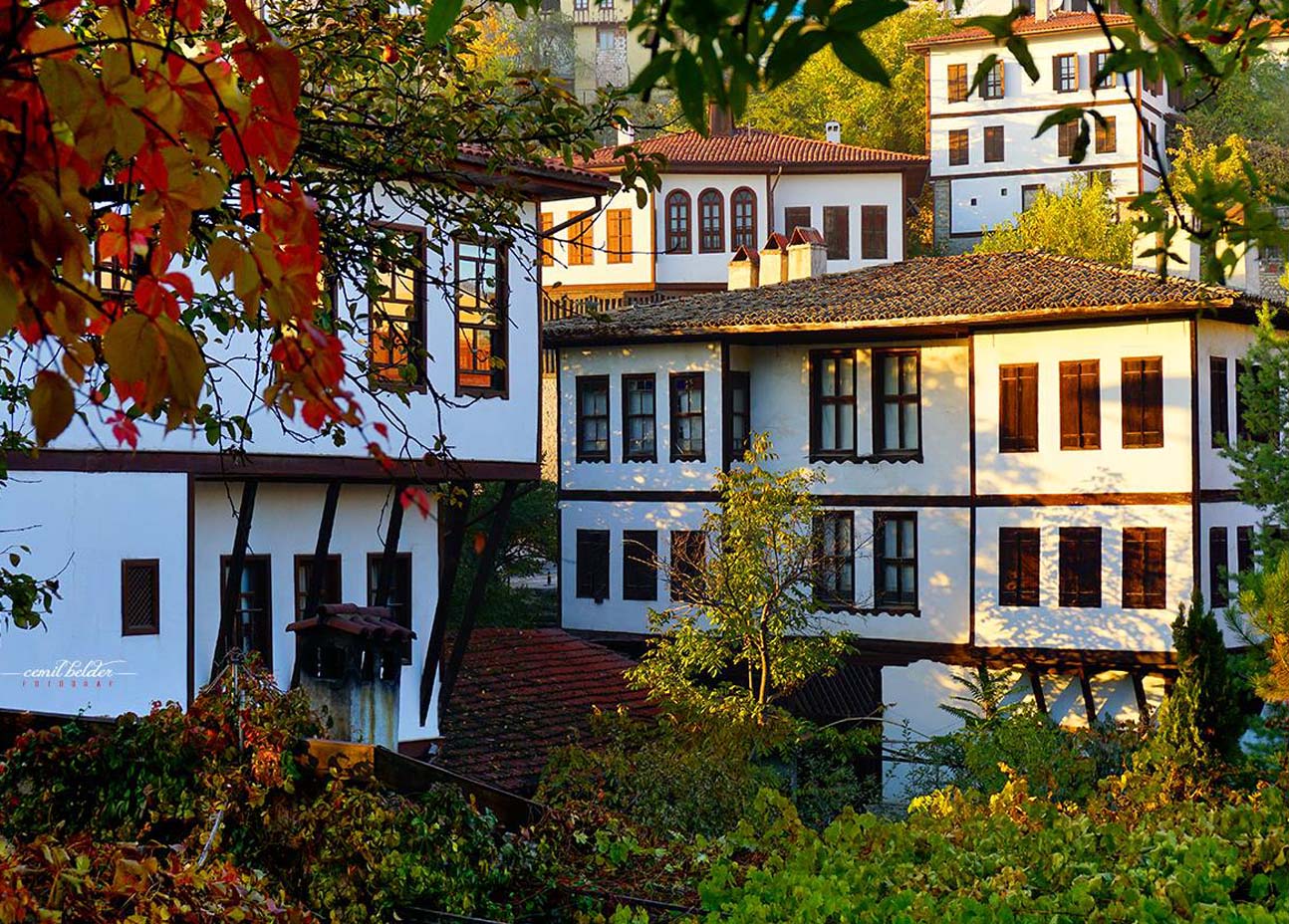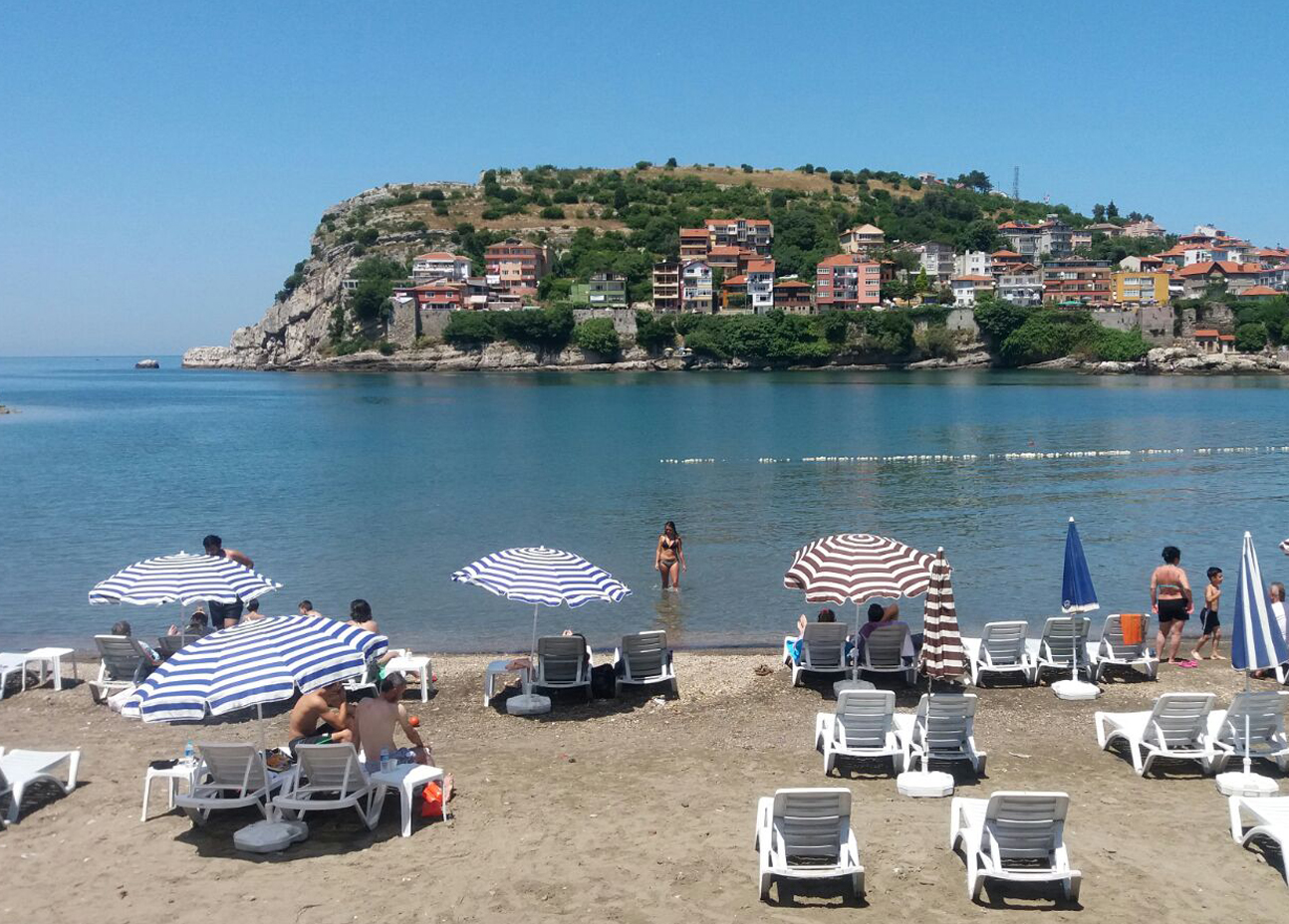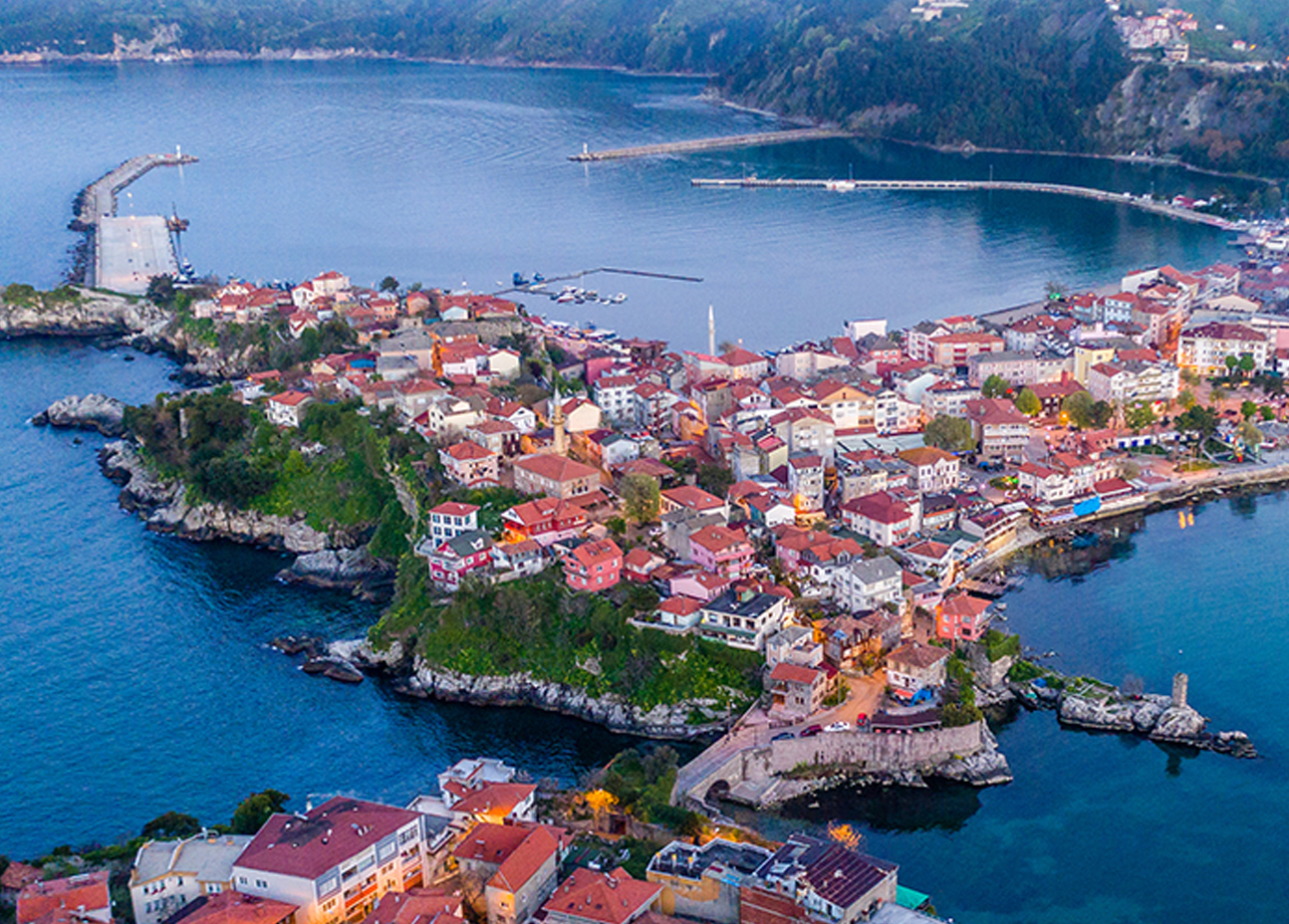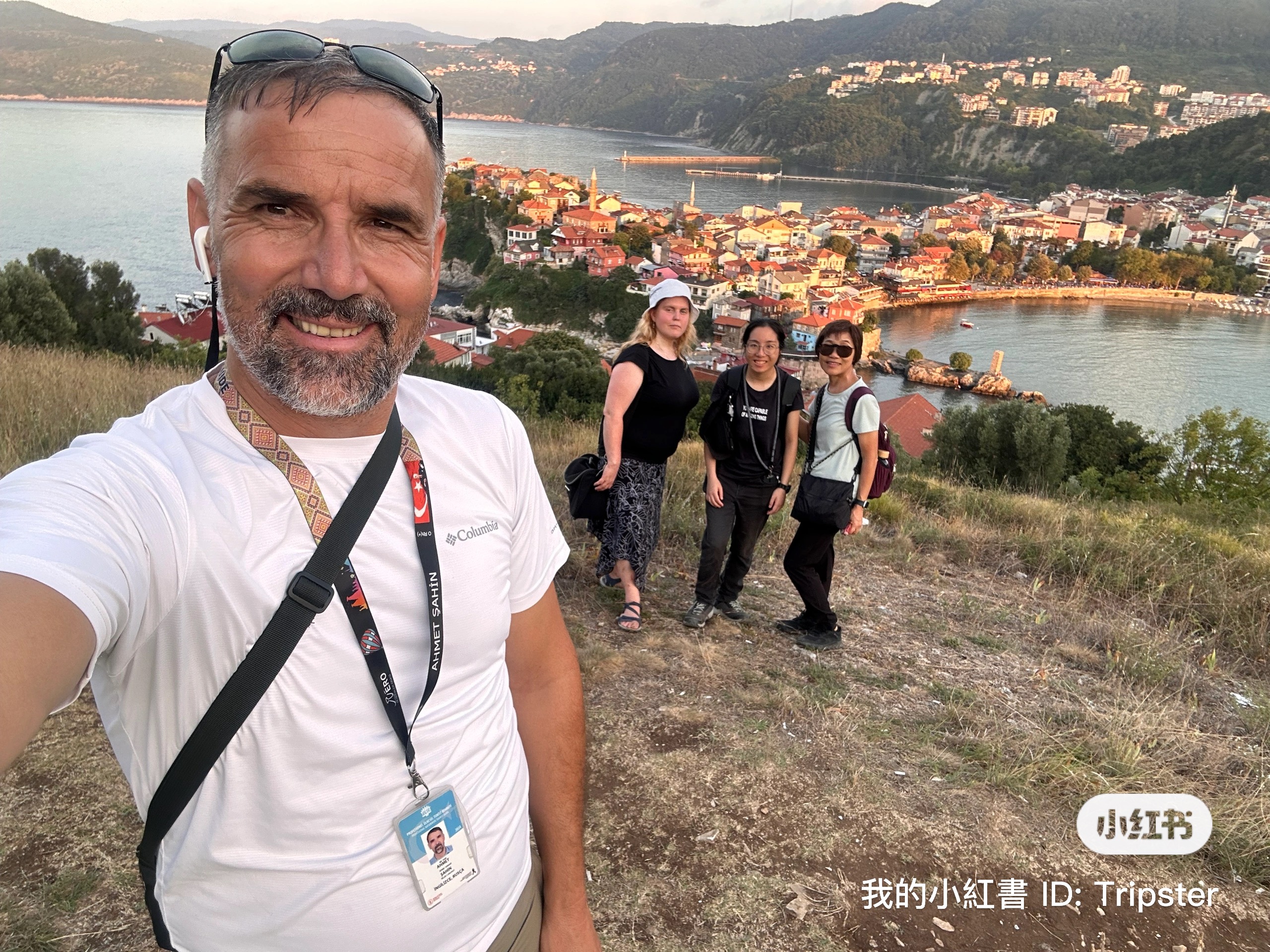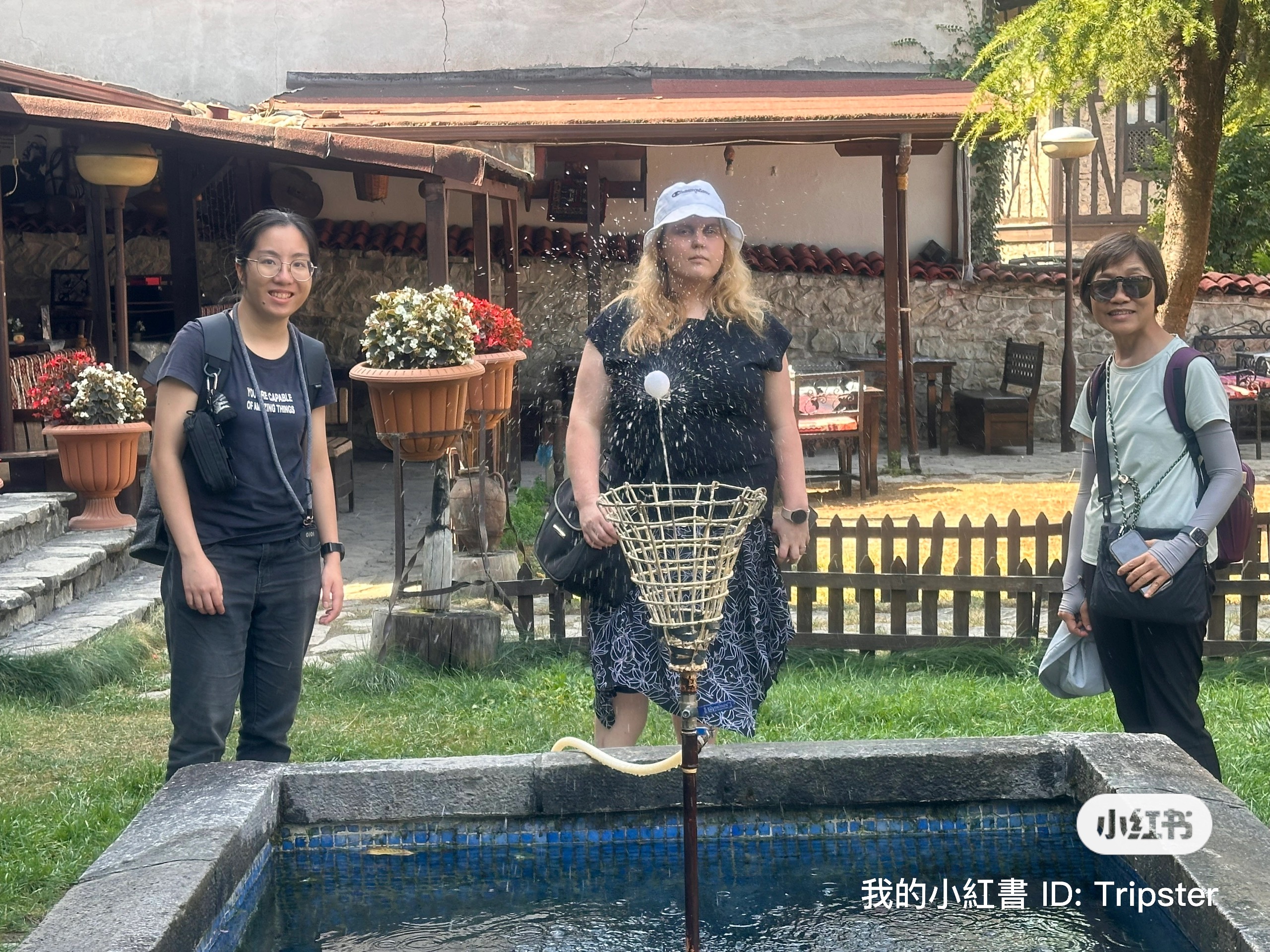
We Greet you in Safranbolu and Safranbolu Tour Starts around 10.00 AM
DAY 1) Tour Programme: Old Town , Nomadic Village, Bulak Cave, Incekaya Aquaduct, Kaimmakam House, Cinci Caravanserai
Accommodation in Safranbolu or Amasra. (Depends on availibility)
ABOUT SAFRANBOLU
Since its declaration on December 17, 1994, Safranbolu has remained a living testament to Ottoman-era architecture and culture, offering visitors a journey through time with its cobblestone streets, traditional houses, mosques, bathhouses, and bridges.
Known as the "Fingerprint of the Ottomans" for its well-preserved architecture and urban life, the district first attracted attention with the 1976 documentary "Time in Safranbolu," directed by the late Turkish filmmaker Suha Arın.
The film won the "Best Short Film" award at the 14th Antalya Film Festival, bringing national recognition to Safranbolu's cultural significance.
Safranbolu is one of the world's best examples of preserving both tangible and intangible heritage, from the city's architecture to traditional handicrafts. Preservation efforts in the region began in the 1970s and now encompass approximately 2,400 historical structures registered as a Heritage Site. "Most importantly, this approach has contributed to the preservation of Safranbolu's unique architecture and cultural values since its inscription on the UNESCO World Heritage List in 1994," he says.
Over the past thirty years, more than 600 minor repairs, 260 restorations, and 75 fountain renovations have been completed in the historic district.
During the tour with your English-speaking guide, you'll see some of the best-preserved and most important houses on the region's cultural heritage list and learn the story of how Safranbolu rose from the ashes during the reign of Sultan Ibrahim, as well as valuable information forgotten in the dusty archives of the city's historical records!
It should also be added that Safranbolu was registered as Citta Slow City in April 2024, attracting the attention of world travelers who have a great interest in cities with this title.
DAY 2) AMASRA / Amasra Eagle Statue Road Monument, Amasra Bakacak Observation Terrace, Amasra Museum, Dungeon Castle, Boztepe, Roman Bridge
We are picking you up from your hotel in Amasra around 10.00 / 10.30 - By Arrival to Amasra Kuşkayası Road Monument we have here visit and free time for photo session. 11.00 / 12.00 - Visit Amasra Museum 12.00 / 13.00 - Amasra City Tour 13.00 / 14.00 - Lunch at Amasra Fish Restaurant (Food included in the price, drinks are extra) 14.00 / 17.00 -Amasra Castle, Kemere Bridge, Tow Trucks, Amasra Indoor Market Area, Mast Rock, amasra Sailing Club. 17.00 Those who take a 2-day tour will return to the hotel where they will stay, those who take a one-day tour will return to Safranbolu and arrive at Safranbolu at 19:00. Services Included in the Price: Guide service, Travel insurance, transfer from hotel to hotel, lunch, museum entrance tickets.
ABOUT AMASRA
Amasra is a district of Bartın Province in the western part of the Black Sea region. Its first known settlement, under the name Sesamos, dates back to the 12th century BC when the Phoenicians established colonies along the coast. Due to the presence of natural harbors, Phoenician seafarers established themselves here and engaged in commercial activities for a long time. Later ruled by the Milesians, Cimmerians, Lydians, and Macedonians, Amasra was rebuilt and took on a large city appearance during the time of Princess Amastrist. After the princess's death, the city frequently changed hands, being held by the Romans, Byzantines, and Genoese before being conquered by Sultan Mehmed the Conqueror in 1460 without a fight, thus incorporating it into Ottoman territory.
Amasra is situated on a small plain formed by the merging of four of five small islands at the foot of the steep slopes of the Black Sea coastal mountains, and on the hills and slopes that extend from this plain. It borders the Black Sea to the north. Amasra is located on a peninsula surrounded by Bartın Province to the south and southwest, and Kurucaşile to the east. It enjoys a temperate climate typical of the Black Sea coast, with rainfall in all seasons.
The people of Amasra generally earn their living by working at the Amasra Coal Mine, which is affiliated with the Turkish Coal Enterprises (TTK). Tourism, agriculture (greenhouse farming), animal husbandry, and fishing are also major sources of income; a significant portion of the population consists of retired citizens.
Hotel Pick Up/drop off
1 night Accommodation B&B
Museum Tickets
2x Lunches
First Day breakfast